San Francisco: The Voice of American Golf
For roughly half a century, whenever Americans turned on a golf broadcast, the voice explaining the game to them was likely to belong to a San Franciscan. Ken Venturi held the CBS analyst's chair for 35 years. Johnny Miller sat in NBC's booth for 29. Bob Rosburg practically invented ABC's on-course reporting. And in print, Art Spander chronicled the game across five decades of Golf Writers Association awards. Four men, three networks and a newspaper column — all products of the same city golf culture.
Ken Venturi — CBS (1968–2002)
Venturi learned golf at Harding Park, where his father ran the pro shop, and stammered so badly as a boy that he practiced alone. After the 1964 U.S. Open made him a national figure and injuries ended his playing career in 1967, he joined CBS in 1968 and spent the next 35 years as its lead golf analyst (CBS Sports).
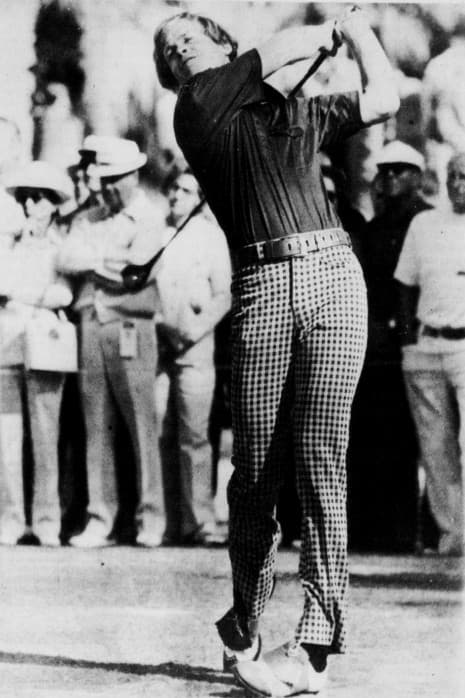
Johnny Miller — NBC (1990–2019)
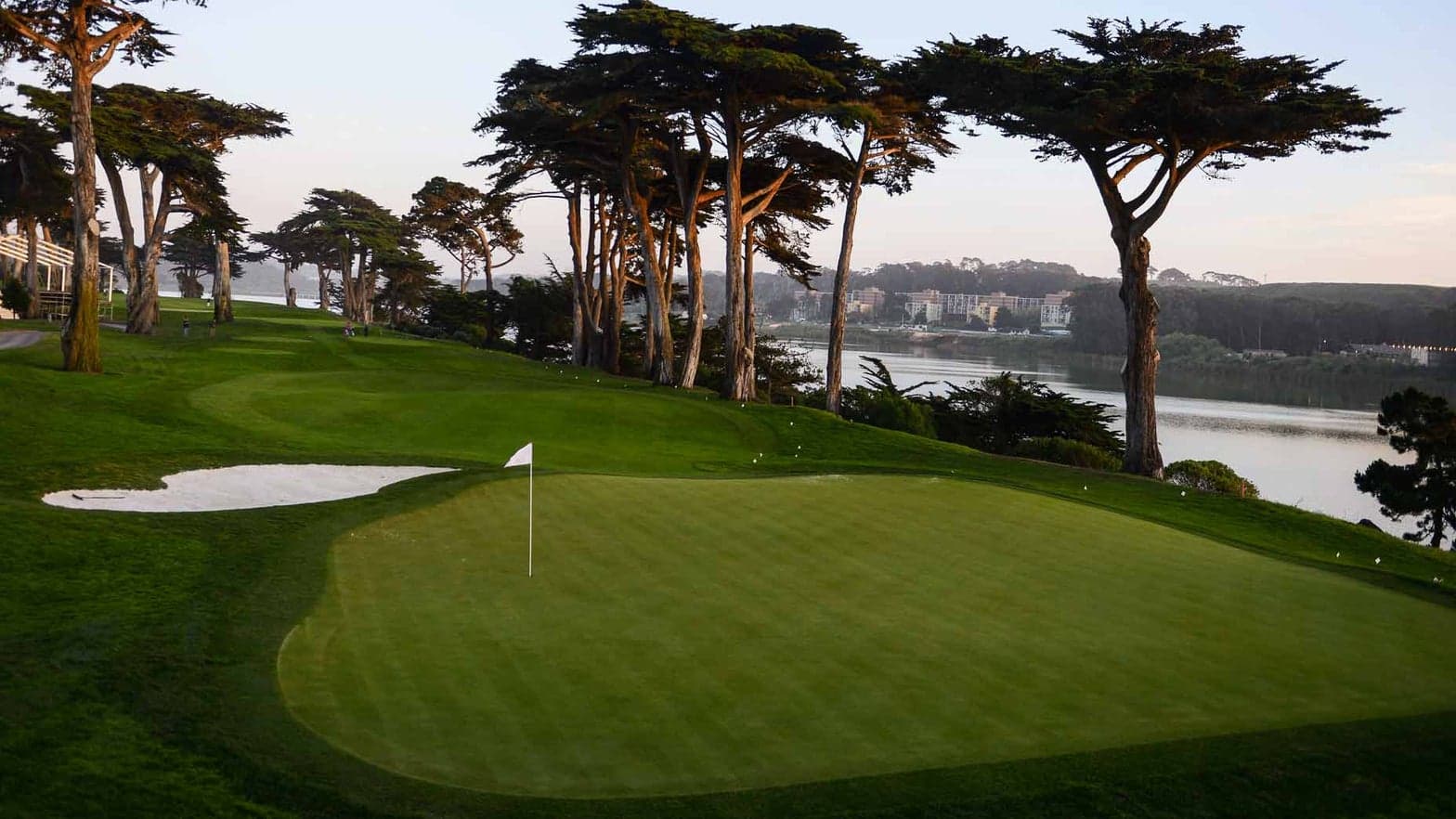
Miller brought a player's candor to the booth — famously unafraid to say the word "choke" on air. He was NBC's lead analyst from 1990 until his sign-off at the 2019 Waste Management Phoenix Open, when Paul Azinger took the chair (ESPN). Before any of it, he was a caddie at the San Francisco Golf Club and a junior at the Olympic Club (Caddie Hall of Fame).
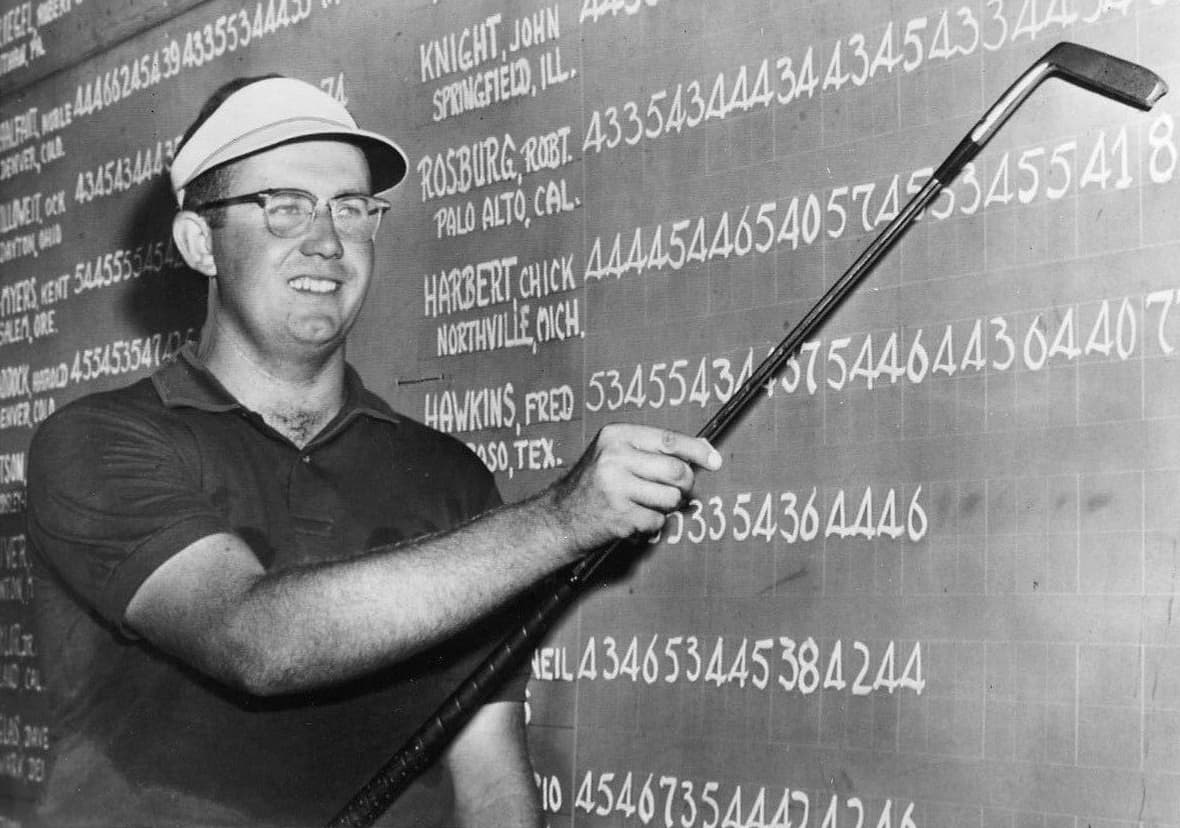
Bob Rosburg — ABC (1974–2005)
When ABC hired the 1959 PGA champion in 1974, it created a new job: the fairway reporter, walking with the players and calling shots the tower couldn't see. "Rossie" did it for roughly 31 years (Variety), and every on-course announcer working today is doing a version of the role he invented (Golf Compendium). He grew up playing the Olympic Club as a junior.
Art Spander — the press box (1965– )
Spander joined the San Francisco Chronicle in 1965 and became the Examiner's lead sports columnist in 1979 (Wikipedia). He is the only person to win the Golf Writers Association of America's first-place award in each of five decades, and the PGA of America gave him its Lifetime Achievement Award in Journalism in 2009 (The Golf Wire).
Why one city?
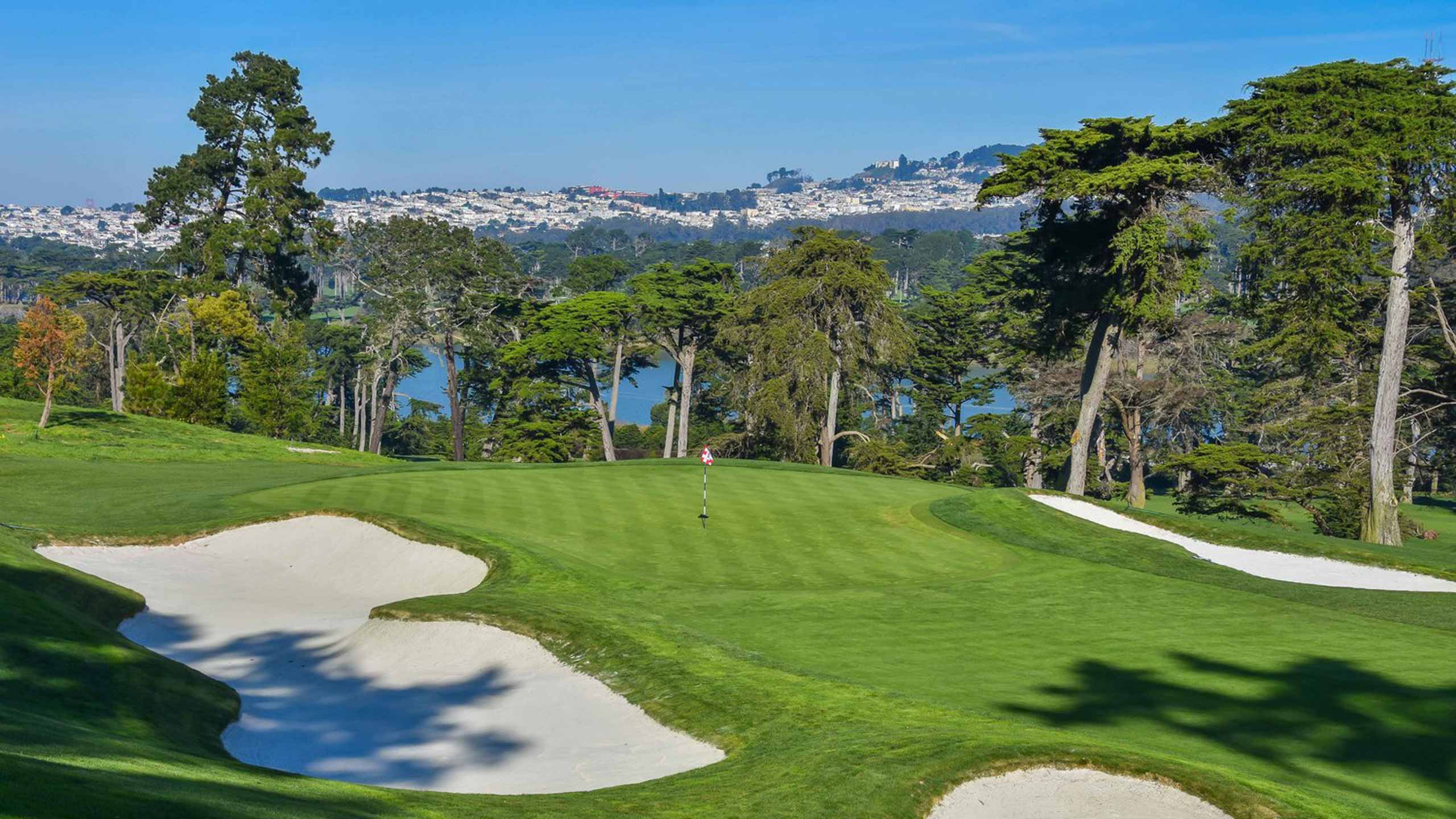
It's hard to separate the voices from the golf that produced them. Venturi, Miller and Rosburg all came out of the same few square miles — Harding Park's fairways, the San Francisco Golf Club's caddie yard, the Olympic Club's junior section — in the era when Sports Illustrated says the city sat at the center of the golf universe. They didn't just play the game at the highest level; they came from a culture that talked about it, argued about it and passed it down. America heard San Francisco golf every weekend for fifty years.