Johnny Miller: San Francisco's Own

On a June Sunday in 1973, a 26-year-old in garish plaid slacks shot the most famous round in U.S. Open history — a final-round 63 at Oakmont that came out of nowhere and has never really been matched. But it didn't come out of nowhere. It came out of San Francisco: out of Lincoln Park's fog-slicked fairways above the Golden Gate, out of a junior locker at the Olympic Club, out of a city that in the 1950s and 60s was quietly producing more world-class golfers per square mile than anywhere in America.

Ken Venturi, Bob Rosburg, Harvie Ward, Tony Lema — the generation just ahead of him had already made San Francisco golf famous. Johnny Miller was the city's next act, and in some ways its biggest one. He is the last man born in San Francisco to win a major championship, and for three decades after his playing days he remained the most recognizable voice in American golf. This is the local story behind the legend.

First Swings at Lincoln Park

John Laurence Miller was born in San Francisco on April 29, 1947, and learned the game the way most San Francisco kids of his era did — on the city's municipal courses, under the eye of a golf-obsessed father. Larry Miller started his son on the game early, and the boy's aptitude showed almost immediately.

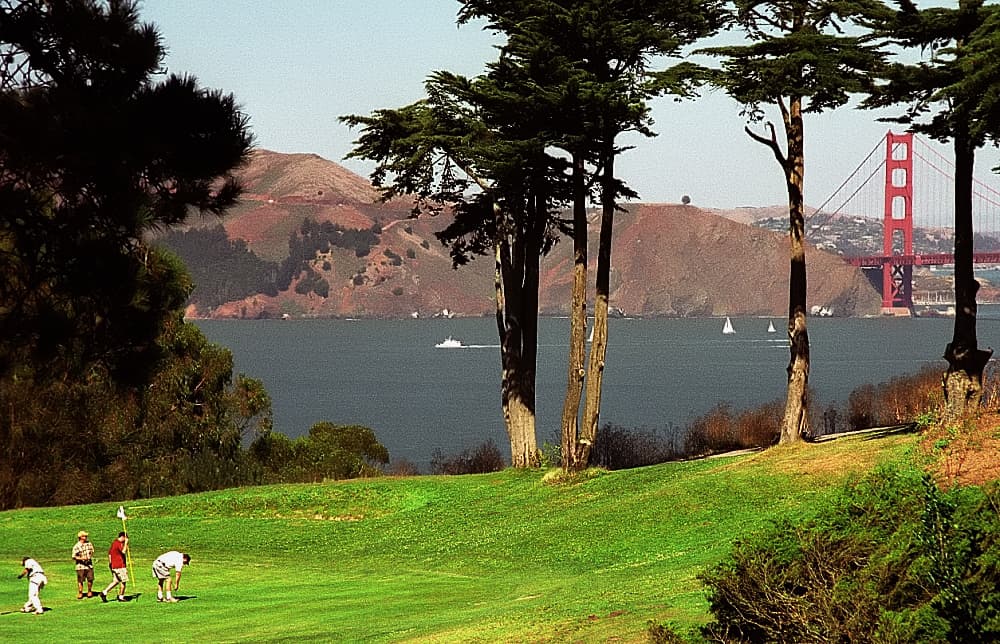
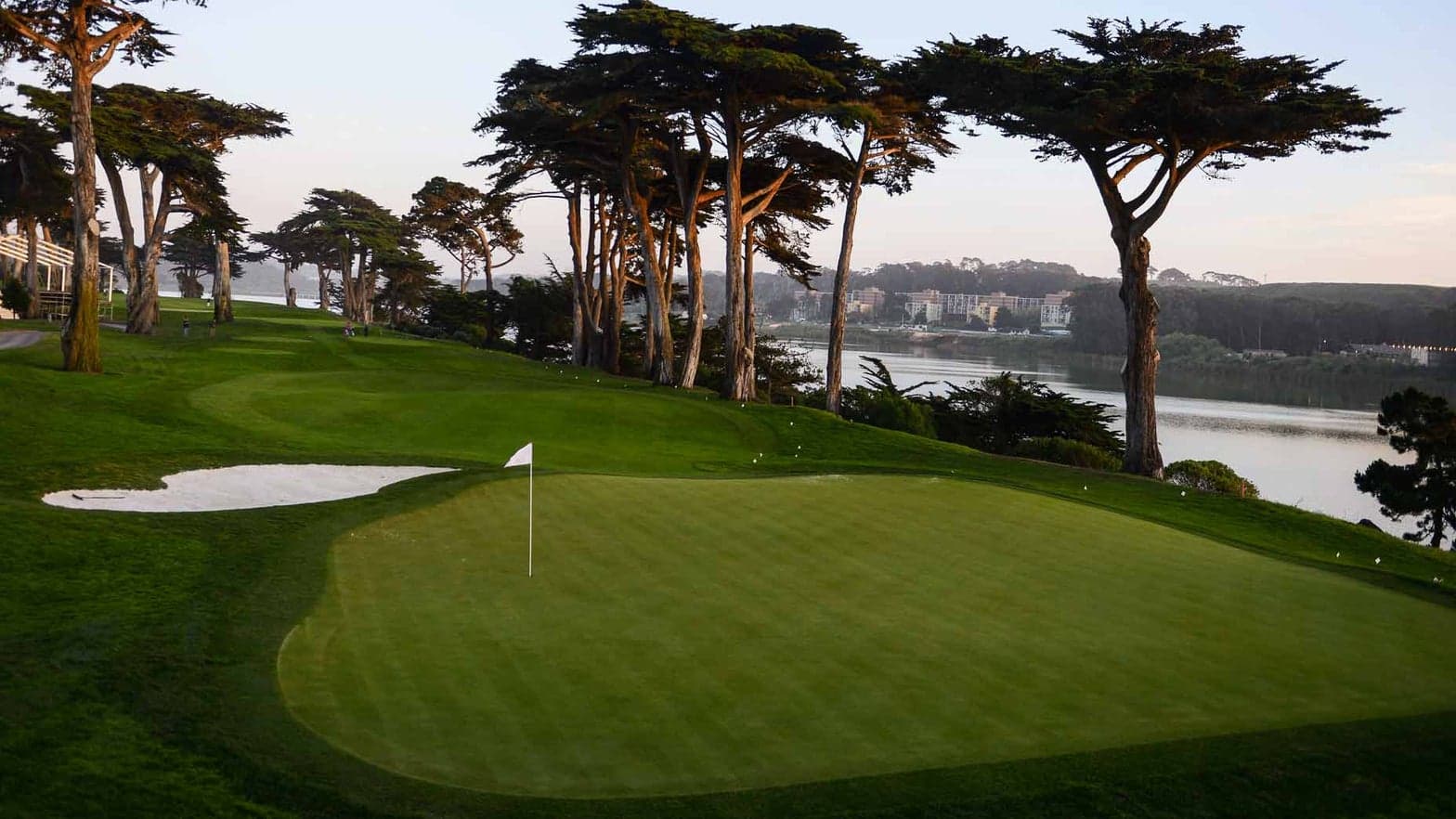
Miller's first golf came at Lincoln Park, the city course draped across the headlands at Land's End, where errant tee shots flirt with views of the Golden Gate Bridge. By the standards of championship golf it is short and quirky — it was laid out over the old Golden Gate Cemetery grounds, beginning as a three-hole course in 1902 — but it is the oldest golf course owned and operated by the City of San Francisco, and it has served as the first classroom for generations of San Francisco players. Miller heads that list.

He was a prodigy by any measure. At age eight he entered his first Northern California Golf Association junior event, played at Lake Merced, just across the county line from the city's cluster of lakeside courses. By his mid-teens he was the best junior golfer in a city that took its junior golf seriously — this was, after all, the town whose City Championship had been running since 1917 and whose municipal fairways had already produced U.S. Open and PGA champions.

The Olympic Club Takes Notice

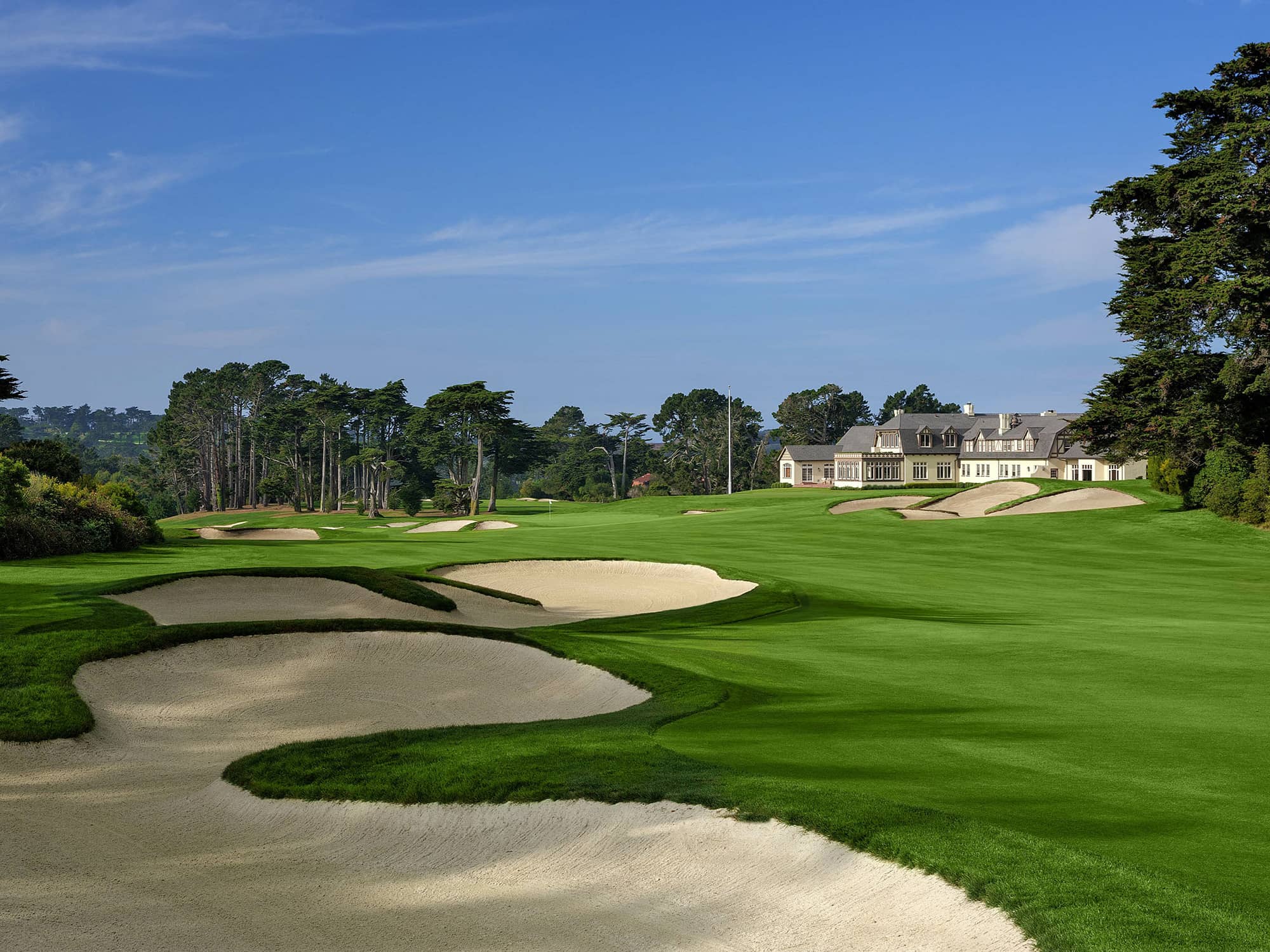
The bridge from muni prodigy to national champion ran through the Olympic Club. John Flanagan, an Olympic Club member who lived nearby and had a son Johnny's age, invited young Miller along to the club's junior golf program, and Flanagan and fellow member Leon Gregoire would eventually sponsor him for a Merit Junior Membership. By 1963 the teenager from the public courses was the top player on the Olympic Club's junior team, with the Lake Course — one of the hardest championship tests in America — as his home ground.

The results came fast. In 1963, at 16, Miller won the San Francisco city junior title. The following summer he won the 1964 U.S. Junior Amateur, becoming the first Olympic Club member to capture that national championship. A skinny kid who had hit his first shots at a city-owned course above the Pacific was now, at 17, the best junior golfer in the United States.

1966: The Caddie Who Made the Cut

The best San Francisco golf story Miller ever gave the city came two years later, and it has the shape of a fable.

In June 1966 the U.S. Open came to the Olympic Club's Lake Course. Miller, then a 19-year-old freshman on a golf scholarship at Brigham Young University, wanted to be inside the ropes badly enough that he signed up to caddie for the week. Then he entered qualifying — and played his way into the field. Instead of carrying someone else's bag at his home club, he teed it up in the national championship.

He didn't just make the field. Rounds of 70-72-74-74 left him tied for eighth — the low amateur in the field — on a course he knew better than almost anyone in it. That week is remembered for one of the greatest collapses in golf history, Arnold Palmer losing a seven-stroke lead over the final nine holes before falling to Billy Casper in an 18-hole playoff. But for San Franciscans, the footnote was the point: the local teenager who was supposed to be a caddie finished in the top ten of the U.S. Open. His performance earned him an invitation to the 1967 Masters.

Miller finished his degree at BYU in 1969 and turned professional the same year.

Oakmont, 1973: The 63

Every great career has a single day at its center, and Miller's came on June 17, 1973, at Oakmont Country Club outside Pittsburgh — a course with a reputation as the meanest U.S. Open venue in the rotation.

Miller began the final round six strokes off the lead, far enough back that he teed off nearly an hour before the leaders. What followed was, by broad consensus, the greatest closing round in major championship history: an 8-under-par 63 in which Miller hit all 18 greens in regulation. It was the first 63 ever shot in a major championship, and it carried him past the entire leaderboard to win by one stroke over John Schlee. Half a century later, only a handful of players have matched the number, and no one has matched the circumstances — a 63, at Oakmont, on Sunday, to win the U.S. Open from six back.

The kid from Lincoln Park was a major champion, and about to become the best player in the world.

The Hottest Golfer on Earth

What Miller did over the next three seasons remains one of the great heaters in golf history. In 1974 he won eight PGA Tour events, led the money list, and was named PGA Player of the Year. He opened 1975 by winning the Phoenix Open by 14 strokes and the Tucson Open by nine — margins that read like misprints.

In 1976 he added his second major, winning the Open Championship at Royal Birkdale with a closing 66 to finish six clear of the two runners-up: Jack Nicklaus and a 19-year-old Spaniard named Seve Ballesteros. In all, Miller would win 25 PGA Tour titles.

At his peak, Miller's calling card was an iron game of almost eerie precision — the same skill, he might have noted, that gets sharpened growing up on small, firm, wind-blown greens like Lincoln Park's.

Coming Home: Napa, Pebble Beach, and One Last Miracle

Miller never really left Northern California. His deepest professional roots outside San Francisco were an hour north at Silverado in Napa, where he won the Kaiser International Open Invitational in back-to-back years, 1974 and 1975, and very nearly made it three straight — in 1976 he finished runner-up, two shots behind J.C. Snead. Miller once had a home at Silverado, and decades later he closed the loop entirely: an investment group led by Miller bought the Silverado Resort, and he spearheaded a redesign of its North Course, completed in 2011, that lengthened the layout by roughly 250 yards, took out trees, and rebuilt and repositioned its bunkers.

His playing career also ended on Northern California soil, with one of the sport's great last acts. At the 1994 AT&T Pebble Beach National Pro-Am, a 46-year-old Miller — by then a full-time broadcaster with a famously balky putting stroke — won by a single stroke over a four-way tie for second that included Tom Watson, Corey Pavin, Jeff Maggert, and Kirk Triplett. It was his 25th and final PGA Tour title, and his third win at the event in a third different decade, after victories in 1974 and 1987.

The Voice from San Francisco

If San Francisco's greatest export to golf was its players, its most durable export was its voices — and Miller became the loudest of them. In 1990 he joined NBC Sports as its lead golf analyst, a chair he held for 29 years until his retirement in February 2019. Blunt, unfiltered, and famously willing to say the word "choke" on live television, he changed the sound of golf broadcasting.

He was also, remarkably, the third San Francisco-bred champion to make that leap. Ken Venturi — born in the city in 1931, raised on Harding Park's fairways, champion of the 1964 U.S. Open — spent 35 years as the lead analyst at CBS. Bob Rosburg, another San Francisco native and the 1959 PGA champion, invented the modern on-course commentator's role at ABC. For an entire generation, whichever network you turned on, the voice explaining American golf to America had learned the game on San Francisco's fairways.

Miller was inducted into the World Golf Hall of Fame in 1998.

Tracing Johnny Miller's San Francisco

Miller's story is the San Francisco golf story in miniature: a city kid, a municipal course, a great club that opened its doors, and a talent that carried the city's name around the world. He belongs to the same lineage as Venturi and Rosburg before him, Harvie Ward's back-to-back U.S. Amateurs, and Tony Lema's champagne-soaked Open at St Andrews — a run that made mid-century San Francisco, improbably, the center of the golf universe.

You can still walk almost all of it. Lincoln Park remains a public course, its 17th hole still delivering the finest view in municipal golf.

Lincoln Park Golf Course

San Francisco, CA

PJ Koenig
PJ Koenig
Learn more

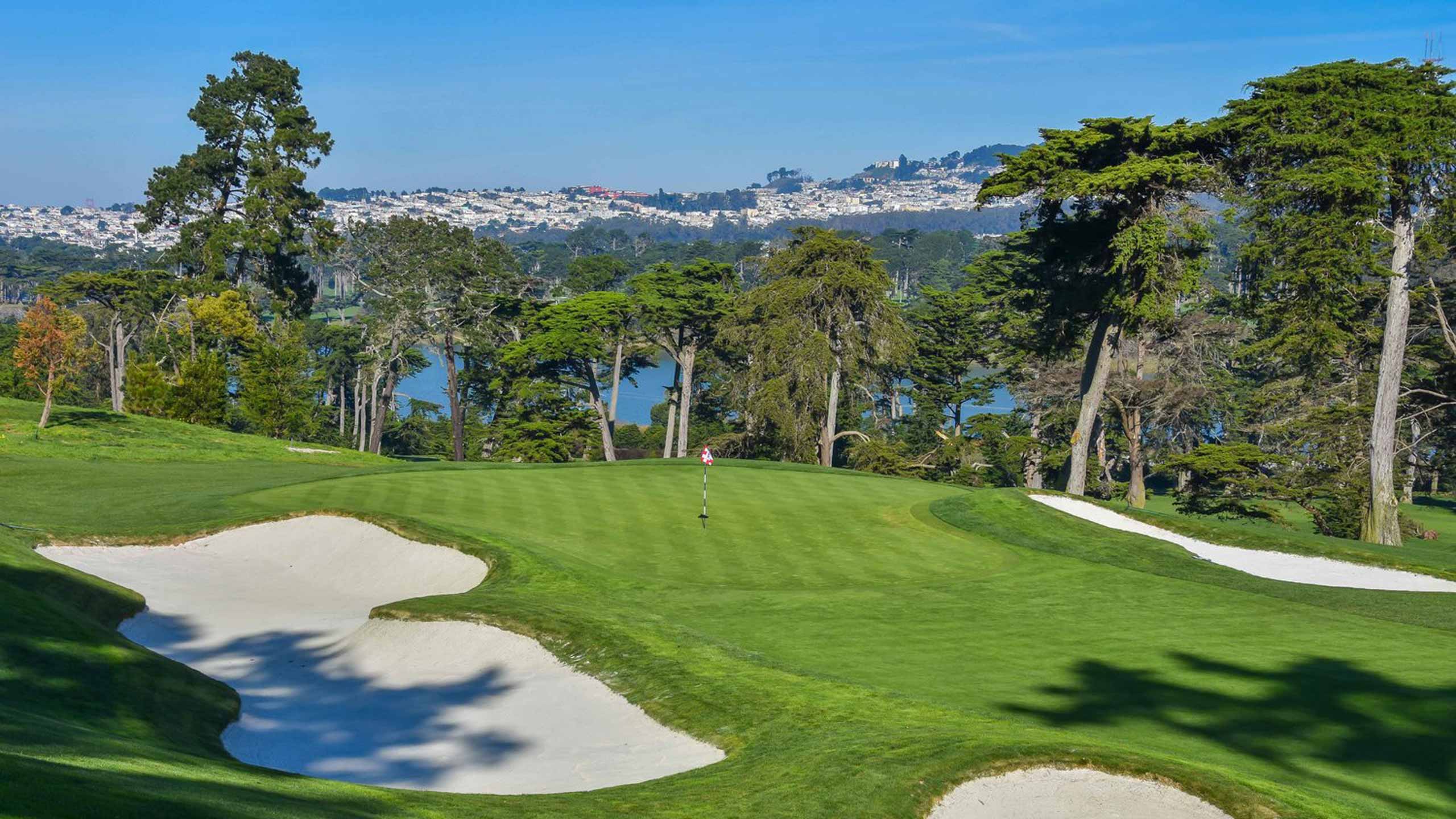
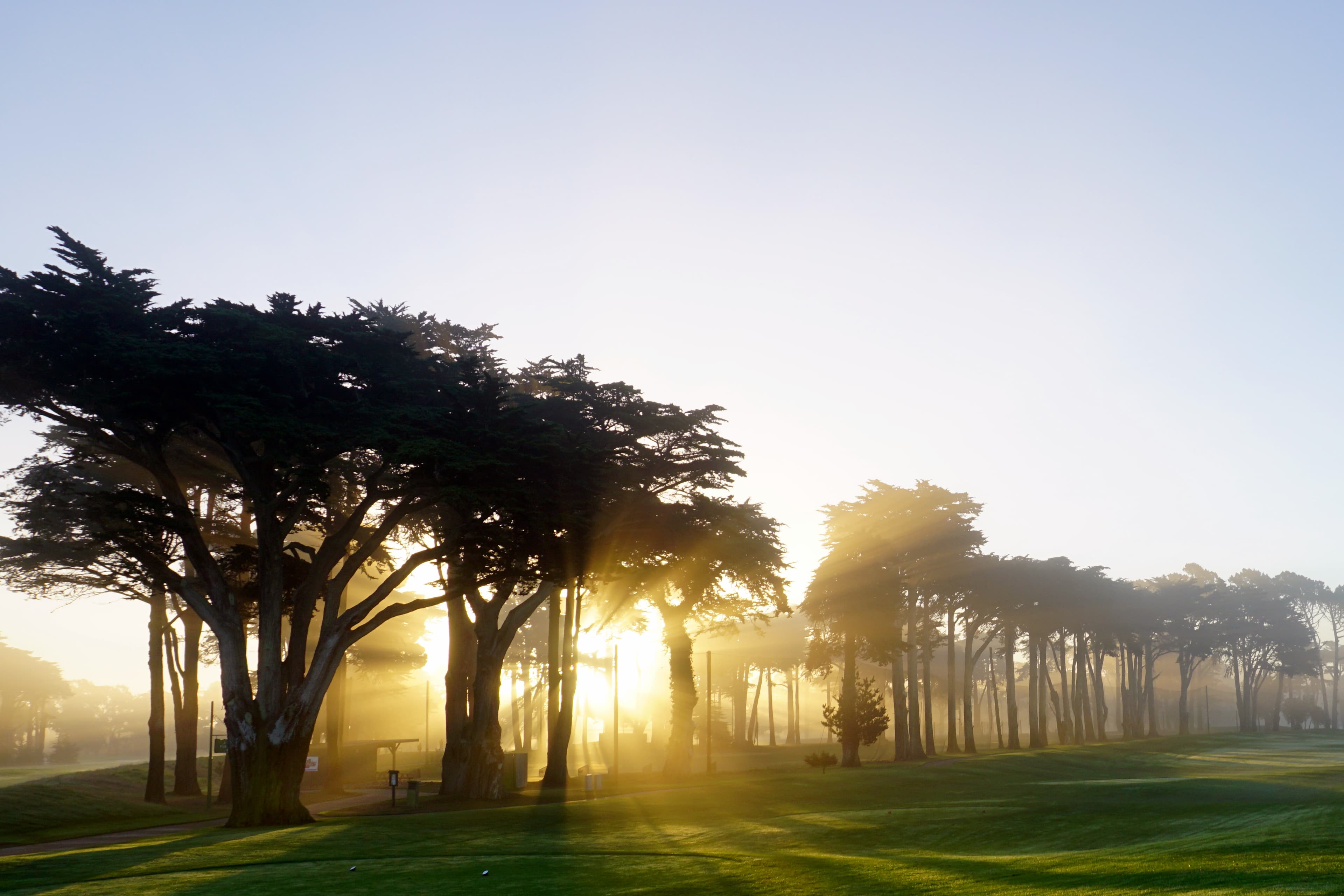
The Olympic Club's Lake Course, where a teenage Miller nearly stole a U.S. Open, remains one of the game's great championship venues.

The Olympic Club - Lake Course

San Francisco, CA

golf
golf
Learn more

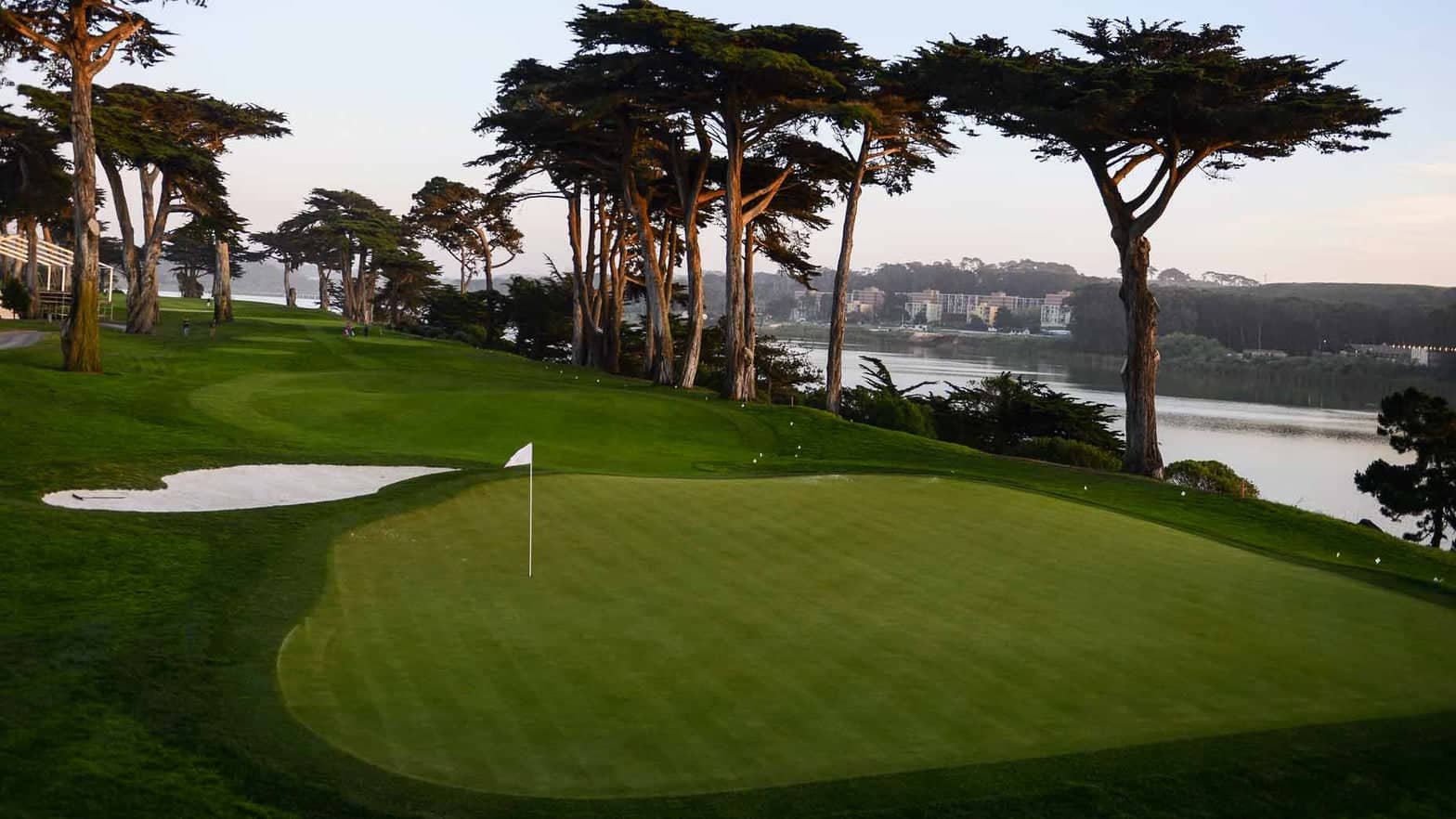
And Harding Park — the muni that raised Venturi, opened in 1925 and host of the 2020 PGA Championship — sits a few miles south, the anchor of the same city golf scene that gave a kid named Johnny Miller his start.

Few cities can claim a major champion. San Francisco can claim one it built from the ground up, three holes of cemetery-land golf at a time.

Lincoln Park Golf Course

San Francisco, CA

PJ Koenig
PJ Koenig
Learn more

The Olympic Club - Lake Course

San Francisco, CA

golf
golf
Learn more