Half Moon Bay Old Course vs Ocean Course: Which Should You Play?
Choose the Old Course for inland strategy and a coastal finish; choose the Ocean Course when open coastal exposure should shape the whole round.
Two courses, two versions of the coast
The Old Course and Ocean Course share a Half Moon Bay address, but they do not offer the same version of coastal golf. The Old Course moves through inland, parkland-style corridors before revealing the Pacific at its closing holes. The Ocean Course makes the open coast a more sustained part of the round, asking golfers to play through exposure rather than wait for a late reveal. The useful question is not which course is universally better. It is whether one memorable round should be built around strategy and a finish, or scenery and exposure from a broader stretch of the day.
That choice is more precise than a general list of the best ocean-view golf courses in the Bay Area. Both courses belong in a coastal trip, but for different reasons. The comparison below uses operator information, official scorecards and attributed analysis checked in September 2026. Rates, booking inventory, maintenance notices and the weather can change, so the live course and booking pages should settle the final practical questions.
September 2026 comparison
Question | Old Course | Ocean Course |
|---|---|---|
Design | Arnold Palmer and Francis Duane; opened in 1973 | Arthur Hills; links-style, open-coast intent |
Core character | Inland parkland doglegs, trees, water and placement | Open coastal, links-style routing and exposure |
Official course material | Black tees listed at 7,001 yards; carts required | Use the live operator page and current scorecard at booking |
Signature appeal | Strategic round capped by celebrated coastal closing holes | A more continuous sense of the coast and wider visual exposure |
Best fit | Routing, shot placement, parkland strategy and a dramatic finish | Scenery, photography and a round shaped by coastal exposure |
Price decision | Compare the live total for the exact tee time | Compare the live total for the exact tee time |
The Old Course asks for placement
The resort’s Old Course page identifies Arnold Palmer and Francis Duane as the designers and describes a 1973 course of doglegs, trees, water and strategic choices. That evidence matters because the Old can be misunderstood as the course a visitor merely tolerates on the way to the oceanfront finish. Its actual case starts much earlier. Inland corridors ask for a useful angle into the next shot, and the combination of turns and hazards gives placement a role that raw distance cannot replace.
The official scorecard lists 7,001 yards from the black tees, but that number should describe scale, not dictate where anyone plays. The better tee is the one that keeps doglegs, approaches and water in the decision rather than turning the round into a succession of forced carries. The parkland setting also changes the visual rhythm. Trees and homes frame much of the early and middle round, so the Pacific arrives as contrast instead of constant backdrop.
Choose the Old because those internal questions sound engaging, not because calmer weather, faster play or better conditioning is expected. None of those outcomes is guaranteed. The operator also says carts are required, a practical distinction worth confirming alongside any current maintenance or aeration notice. For golfers who value routing and want the coastline to function as a final act, the Old makes the more coherent argument.

The Ocean Course asks you to accept the weather
The Ocean Course reverses the structure of the day. The resort identifies Arthur Hills as the architect and presents his routing as a links-style course on the open coast, so exposure is not a late reward; it is part of the design proposition. That describes the course’s intended character, not a guarantee that the ground will play firm or that any particular weather will arrive.
Accepting the weather means accepting uncertainty, not scheduling a windy round in advance. If wind appears, an open routing can change club selection, ball flight and the value of a lower shot. If it does not, the course is still visually exposed and less tree-lined than the Old. The sensible planning move is to check the forecast close to the tee time and bring layers, while avoiding the opposite promises that the Ocean is always punishing or that every booked round will deliver cinematic conditions.
This is the stronger choice when the coast should remain present through the round rather than dominate only the ending. It also makes the clearer photography choice because the course’s identity is built around its open setting. That does not mean every hole guarantees an unobstructed ocean view, and it says nothing about pace or current condition. It means the landscape and the possibility of wind are more persistent design companions.

The finish versus the full view
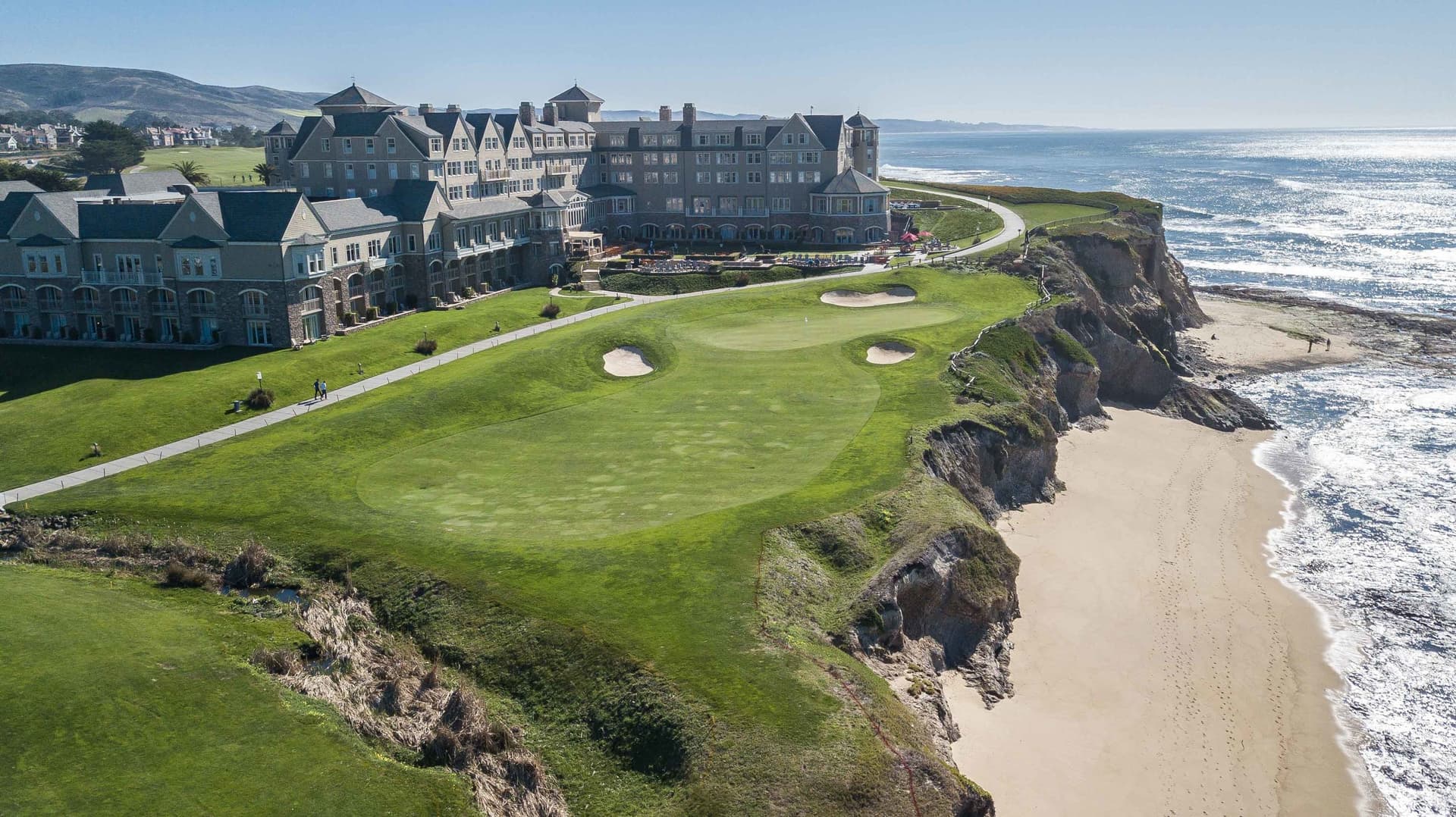
The cleanest way to separate the courses is to ask how the coast should shape the memory. On the Old, the landscape withholds its biggest visual statement. The closing holes move toward the bluff and the resort, giving a strategic parkland round a coastal payoff. That sequence creates escalation: the experience changes character just as the score becomes hardest to ignore.
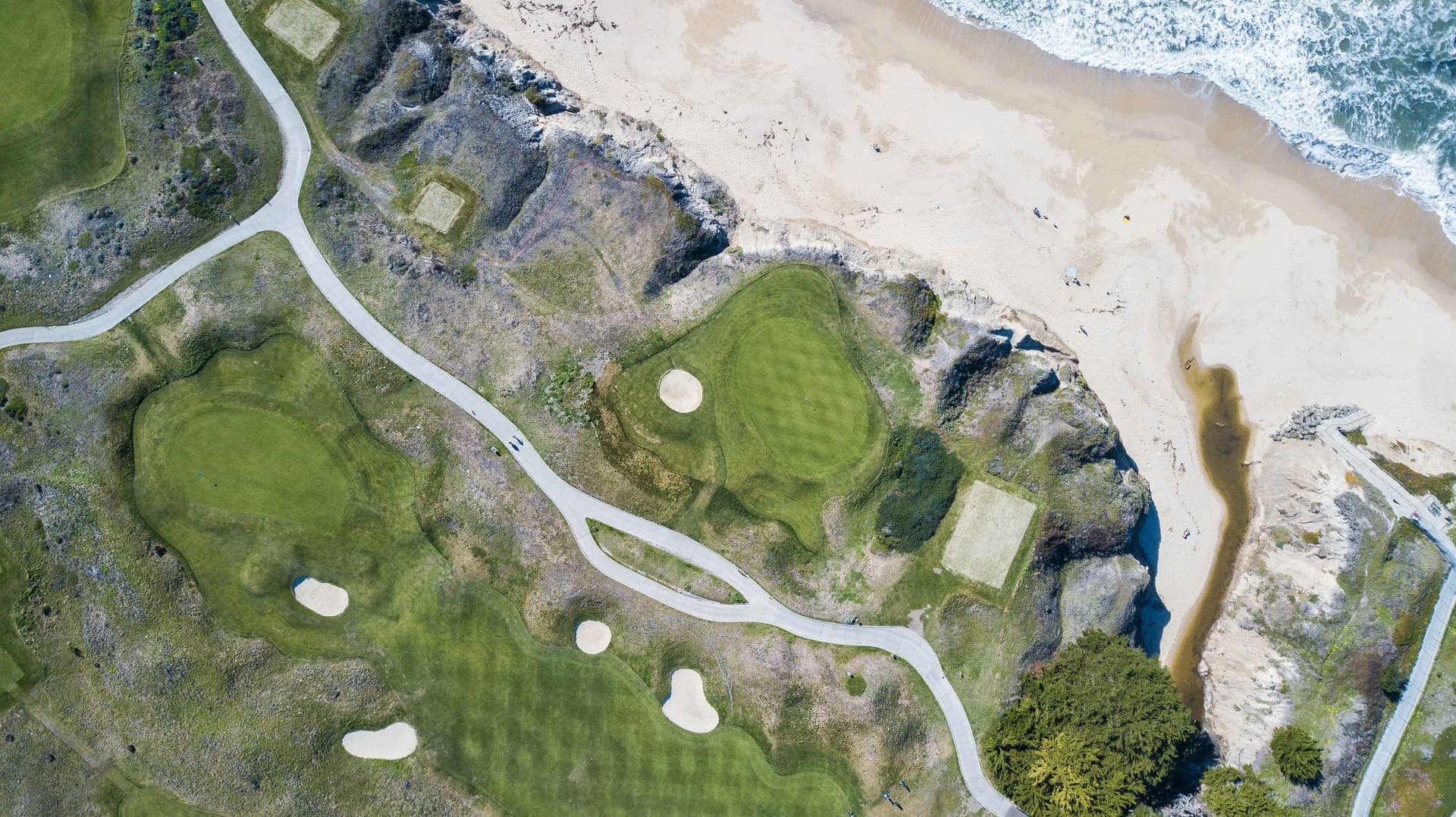
On the Ocean, the setting is the through-line. Open ground, fewer trees and broader coastal exposure make the scenery part of how the full round is understood. Golfers who want an unmistakably coastal day may prefer that continuity. Golfers who like contrast may find the Old’s delayed reveal more dramatic. “Finish” and “full view” are useful shorthand, not literal absolutes: neither says that the Old lacks earlier scenery or that the Ocean supplies a perfect ocean panorama on every shot.
Where reviewers split
The disagreement is real because the values are different. In his personal April 2022 Old-versus-Ocean comparison, Gregg Borodaty prefers the Old for routing and strategy while giving the Ocean the scenery edge; he also treats wind as an important Ocean variable. That is one golfer’s attributed judgment, not proof of what the weather or course condition will be when another golfer arrives.
GolfPass writer Jason Scott Deegan offers an editorial counterweight in his August 2020 Bay Area course guide, suggesting many golfers may favor the Ocean. Read beside Borodaty’s later preference, Deegan’s view makes the split auditable without turning either dated opinion into current consensus, condition evidence or a universal ranking.
Price and booking
There is no evidence-backed fixed price winner in this comparison. The research captured official course pages and scorecards but not a stable public rack-rate page that supports publishing one permanent number for each course. Use the resort’s live booking flow for the date, time and course under consideration, then compare the complete checkout terms. A cached rate, an old review or a third-party listing should not decide the value question.
Availability can become the practical tiebreaker, but it is not proof that one course is generally easier to book. Check both tee sheets, the cancellation terms and the operator’s current maintenance notices. If the round is part of an airport day, use the separate guide to golf courses near SFO to plan direction and buffer; neither Half Moon Bay course comes with a promised course-to-terminal travel time or guaranteed finish.
Which course fits your round?
Architecture and shot placement: Old Course. Choose it for parkland doglegs, hazards that make angles matter and a round whose identity changes at the finish.
Views and photography: Ocean Course. Its open setting makes coastal exposure a broader part of the day, without guaranteeing visibility or a particular forecast.
Wind-sensitive golfer: decide late. Check the forecast near the tee time and weigh comfort against the Ocean’s exposed character. The Old is more sheltered in concept, not immune to coastal weather.
Price-first choice: check both. Compare live availability and the final terms for the exact time. If neither fits, the broader Bay Area public-course guide offers alternatives.
The verdict
Choose the Old Course when golf architecture is the priority: a full round of placement decisions followed by a closing sequence that finally brings the coast forward. Choose the Ocean Course when the setting should remain central: open views, room for photography and a design whose identity includes exposure to whatever weather arrives.
For one first-time round, there is no automatic Ocean answer. The Old gets the recommendation for golfers who define a great round by routing and the finish; the Ocean gets it for golfers who define the occasion by the coast itself. If both values matter equally, let the live tee sheet, current maintenance note and near-term forecast break the tie—not an unsupported rate claim or a promise about conditions. For a longer stay, the best golf resorts in the Bay Area guide can help place both rounds in a wider trip.