RANKED
The Best Country Clubs in the East Bay
The best East Bay country clubs, ranked — from Alister MacKenzie's Claremont and Golden Age Diablo to Jack Nicklaus's Ruby Hill and hilltop TPC Stonebrae.
Aug 2, 2026
Oakland, CA · Private
Claremont Country Club is a historic private club set in the Oakland Hills of California, tracing its roots to the turn of the 20th century.
Play the course
Private course. Public tee-time booking is not offered here.
Access is controlled by the club. Visit the course site for current club information.
Visit course site ↗Find the first tee
Use the course address, contact details, and map to plan your arrival.
Course guide
The maintained course record, presented separately from live booking and user reviews.
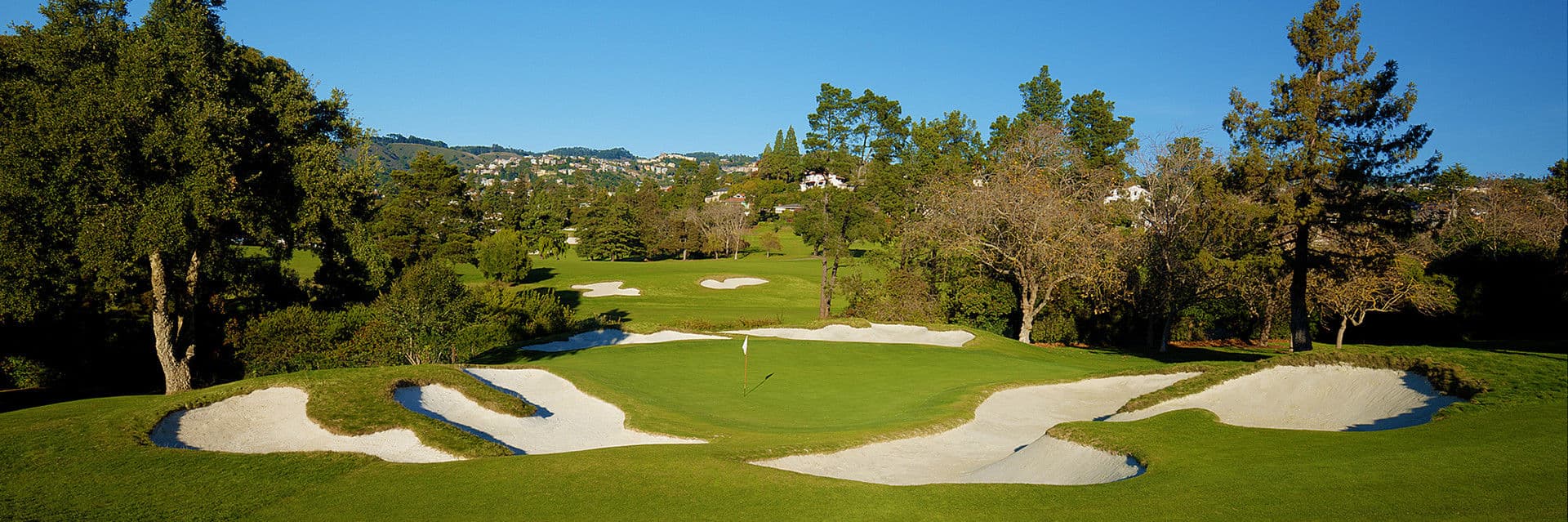
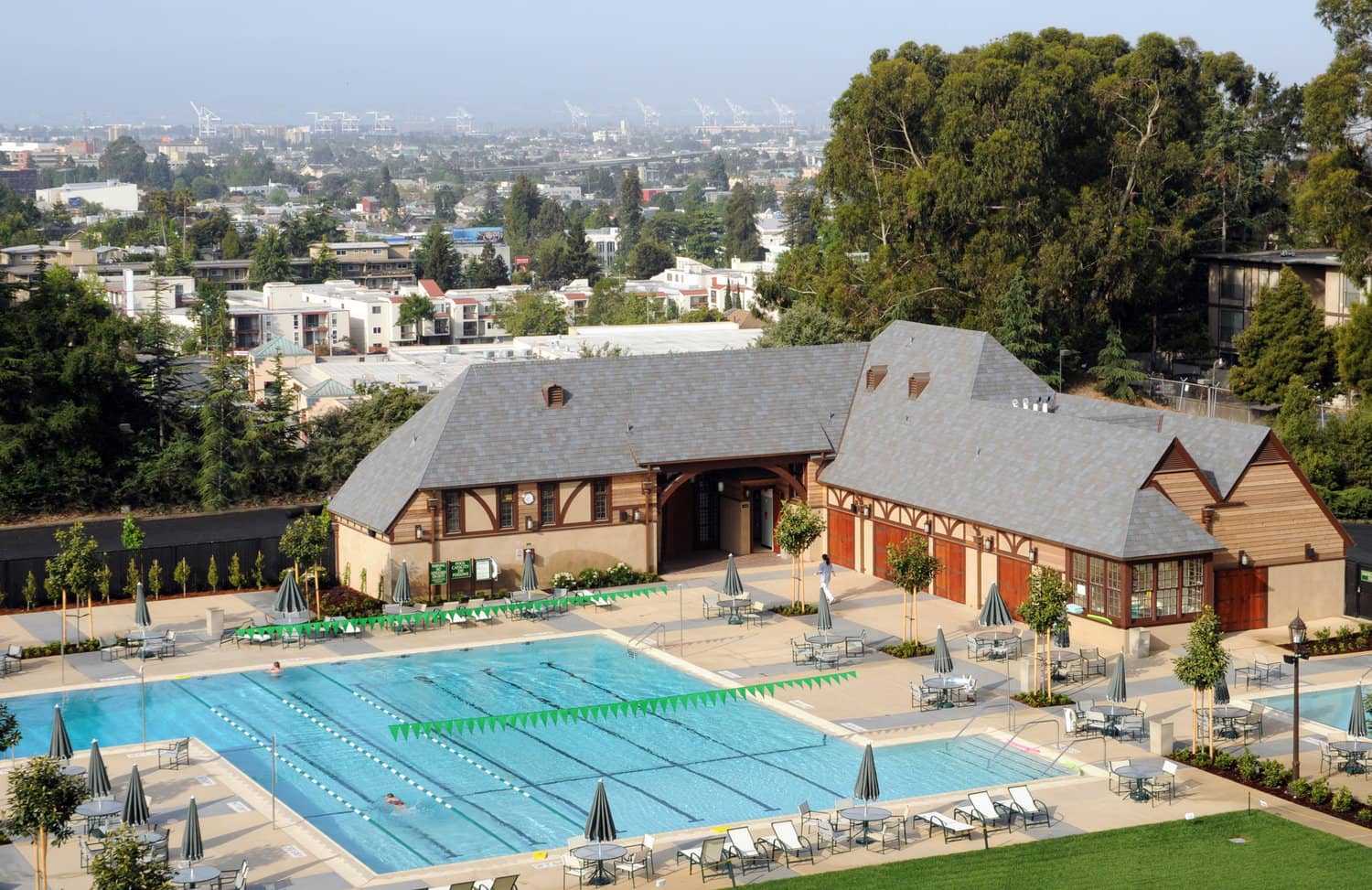
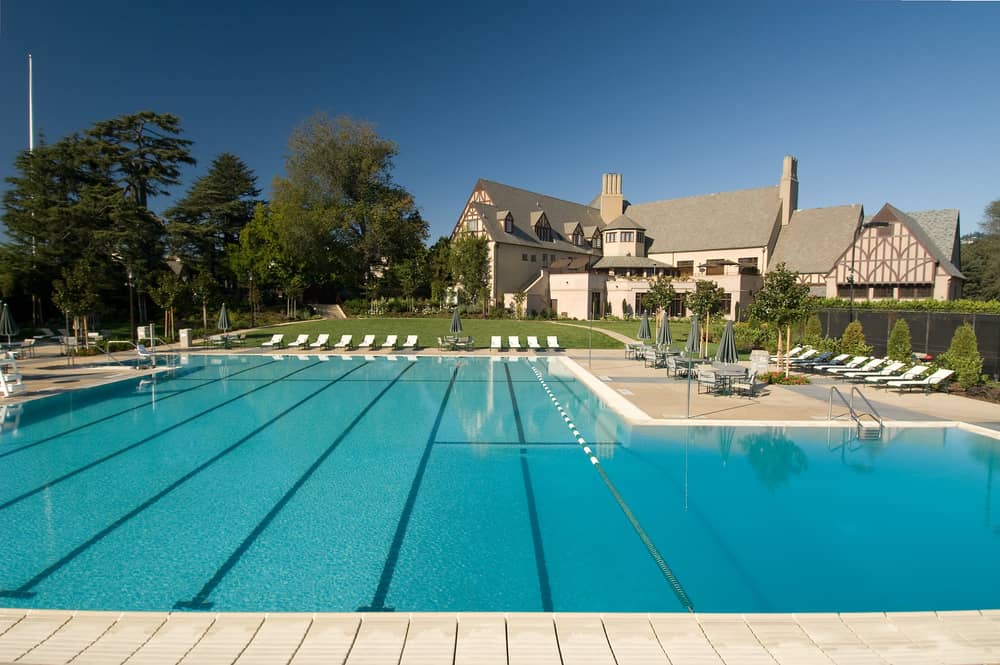
Its 18-hole golf course is celebrated as one of the finest Alister MacKenzie designs in the United States, a compact par-68 layout of dramatic bunkering, cleverly angled corridors, and subtly contoured greens routed through hillside terrain. Beyond golf, the club offers an elegant clubhouse, dining, and social amenities that have made it a cornerstone of East Bay life for more than a century.
Claremont Country Club grew out of the Oakland Golf Club, formed in 1897, and was formally incorporated in 1903. The original nine holes opened in December 1904 under club professional George Smith and his brother Alex, with a second nine added in 1909 and further lengthening by Willie Watson and Robert Hunter in 1921.
In 1926 the club engaged Alister MacKenzie, the Scottish-born architect later famous for Cypress Point and Augusta National, to redesign the course. Work carried through the late 1920s, and decades later Tom Doak and Jim Urbina led a careful restoration in the 2000s that recovered MacKenzie's design intent while modernizing drainage and conditioning.
MacKenzie made exceptional use of a restricted, roughly 100-acre hillside site, carving tight corridors through terrain that supplies natural separation and near-constant elevation change. The bunkering is bold and strategic, and the greens feature the subtle contours and false fronts that reward players who understand the relationship between approach angle and pin position. The result is a precision examination rather than a test of raw length.
Claremont's par 3s are the heart of the MacKenzie routing. The 2nd is a long, uphill one-shotter that invites a running approach fed onto the putting surface, while the 3rd plays blind from the tee to a green ringed by deep MacKenzie bunkers. The most demanding of the set is the 13th, a 223-yard par 3 deftly set into a hillside — during the club's restoration, crews uncovered an original rock-wall tee box there dating to the MacKenzie era.
Two other holes stand out: the 6th, whose elevated fairway serves up views across the bay to San Francisco, and the closing 18th, a risk-reward par 5 that tumbles down below the club's stately old Tudor clubhouse — a fitting finish to a course Sam Snead called a “little jewel” after winning the 1937 Oakland Open here.
At just 5,467 yards to a par of 68, Claremont is short on the card but demands accuracy and imagination over power. Tight, hillside fairways, clever angles, and firm, contoured greens place a premium on positioning off the tee and precise approach play. With a course rating of 67.6 and a slope of 123, scoring rewards thoughtful strategy far more than distance.
Claremont is a private club; access is generally limited to members and their guests.
The course is a compact, walkable Alister MacKenzie design in the Oakland Hills with significant elevation change.
Favor accuracy and course management over distance; the greens reward careful study of angles and pin positions.
Contact the club in advance at (510) 653-6789 or via claremontcountryclub.com to confirm access and policies.
Playing documents
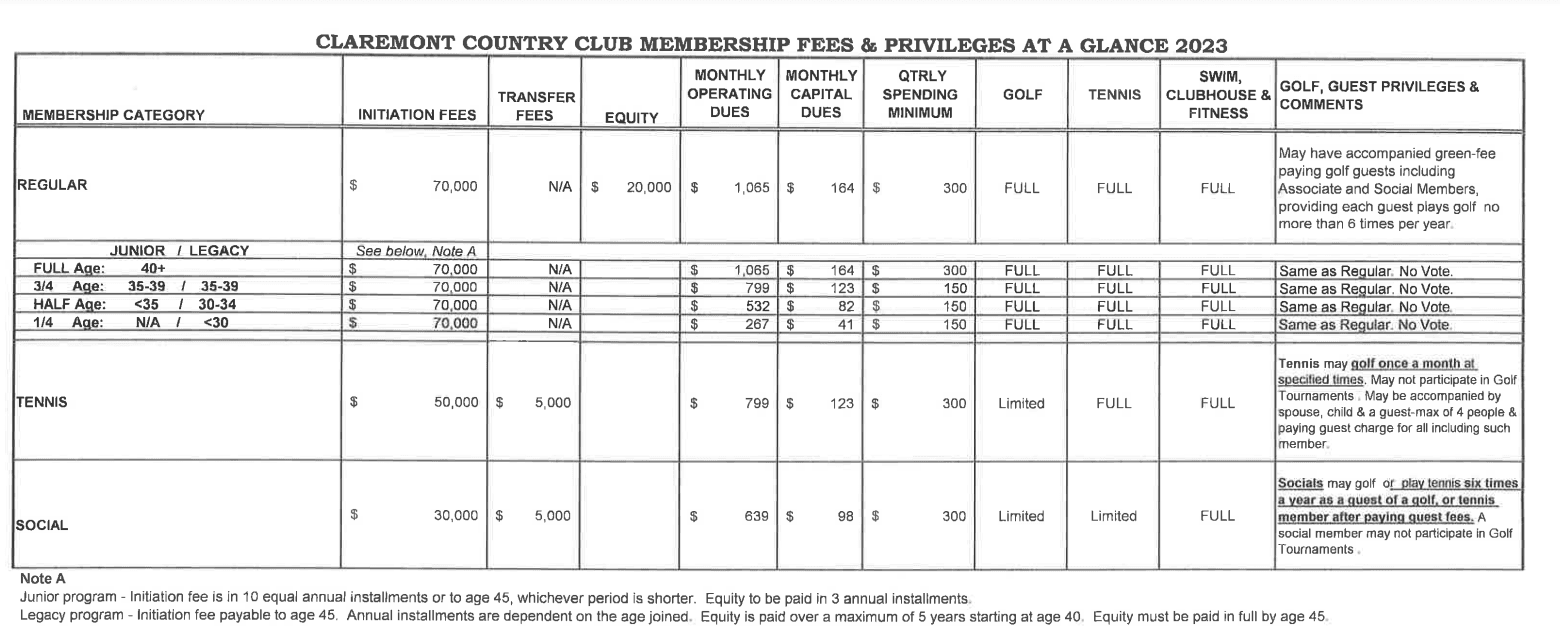
Published course documents are reproduced as supplied; no fee or tee data is inferred from the image.
Community record
Approved submissions are shown with their publication date. New reviews are held for moderation.
No approved reviews yet.
From the field desk
Reported context linked directly to this course record.
The best East Bay country clubs, ranked — from Alister MacKenzie's Claremont and Golden Age Diablo to Jack Nicklaus's Ruby Hill and hilltop TPC Stonebrae.
Around the course
A short geographic continuation from the maintained location record.